
Sand control starts at the doorway, not the vacuum. A new coastal home maintenance checklist should begin with sand-trapping mats inside and outside…
Sand control starts at the doorway, not the vacuum. A new coastal home maintenance checklist should begin with sand-trapping mats inside and outside main entrances, plus a brush near the door for sandy feet. These simple habits reduce what gets carried indoors, while regular seasonal checks help protect the rest of the home.
Coastal upkeep can feel like a long list: salt and sand settle on surfaces, storms test windows and outdoor spaces, and fall brings its own preparations. A steady routine makes tasks easier to organize and helps you spot wear before it becomes a larger maintenance concern.
This checklist covers practical ways to keep sand out, prepare windows, doors, and outdoor areas for storms, and handle fall maintenance in Shallotte, including HVAC and chimney checks. Use it to work through the tasks in a clear order and keep your home ready for changing coastal conditions.
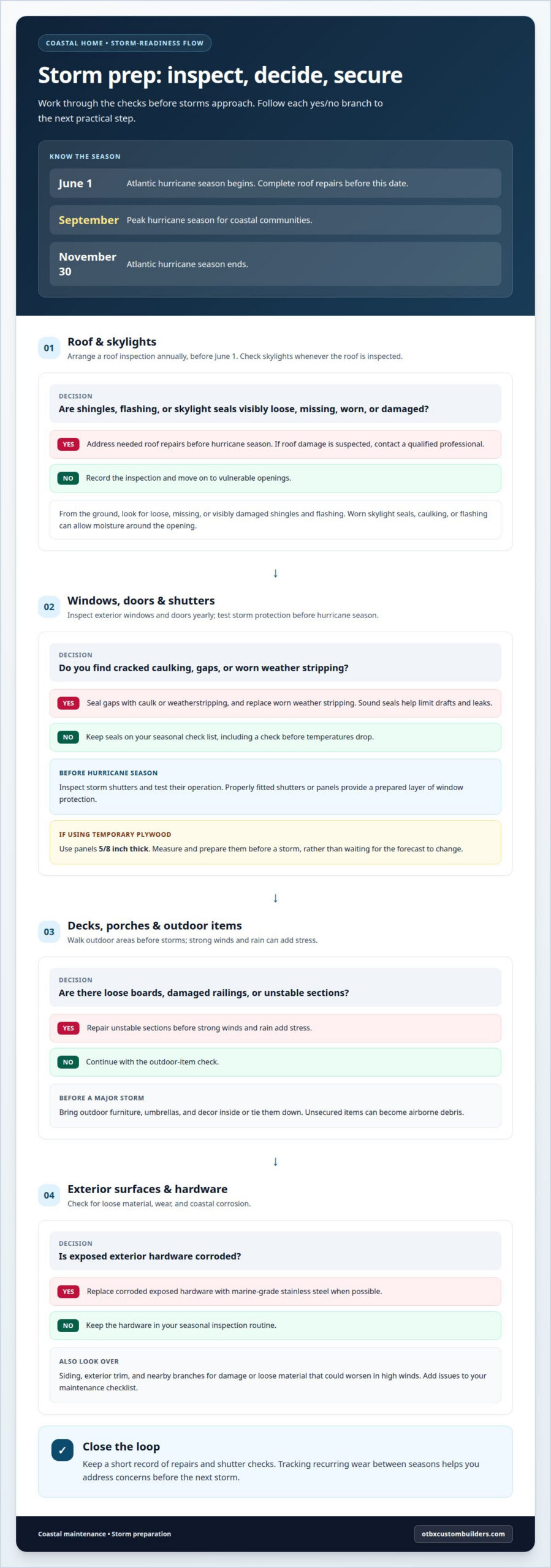
Storm preparation works best as a scheduled set of checks, not a last-minute scramble. A new coastal home maintenance checklist should place roof, opening, and outdoor-area inspections before hurricane season. The Atlantic hurricane season runs from June 1 to November 30, and September is peak hurricane season for coastal communities. Complete roof repairs before June 1, then check vulnerable openings and outdoor areas before storms approach.
Also check siding, exterior trim, and nearby branches for damage or loose material that could worsen in high winds. Add any issues to your new coastal home maintenance checklist, and keep a short record of repairs and shutter checks to track recurring wear between seasons. A consistent routine can help you address concerns before the next storm, rather than discovering a failed seal or loose board during bad weather.
Before fall, schedule seasonal HVAC service and check the outdoor unit for salt-air corrosion. Ask the technician to assess the unit’s condition, electrical connections, coils, and condensate drainage. A clear drain line helps water leave the system instead of collecting near equipment or inside the home. Follow the manufacturer’s recommendations when servicing heating equipment before regular cold-weather use, a priority emphasized by OTBX Custom Builders, LLC for long-term coastal durability.
Use this practical HVAC check:
Summer humidity can linger indoors after warm weather ends. Keep indoor relative humidity below 60 percent to limit mold growth, and use a dehumidifier if a closed-up room feels damp. Check condensate discharge and nearby surfaces for standing water, staining, or mildew. Clear gutters and make sure downspouts direct rainwater away from the foundation, so fall storms don’t leave avoidable moisture near the home.
Which coastal maintenance tasks require permits, licensed contractors, or flood-zone compliance? Routine filter changes and vent cleaning are different from construction work. Permit and flood-zone requirements depend on the project and property location, while the work’s scope determines which local approvals or qualified trades may apply.
What are typical annual coastal home maintenance costs in the United States? There is no single useful total for every home. Equipment condition, salt-air exposure, service needs, parts, and the amount of repair work all affect yearly spending. Prioritize inspections and address wear before it expands.
Before using a fireplace regularly, arrange a chimney and fireplace inspection and cleaning. Have them inspected annually by a CSIA-Certified chimney sweep, especially if your household builds many winter fires. Keep firewood outside, away from the house and off the ground, and move combustible materials away from the fireplace before use.
Keep a simple record of inspection dates, observed damage, and completed repairs. For example, note a cracked chimney joint or blocked gutter, then record when it was addressed. These notes help distinguish new wear from an existing issue during your next seasonal walkthrough. After a significant storm, recheck the roof, gutters, siding, and waterfront structures, since wind and debris can expose previously hidden problems.
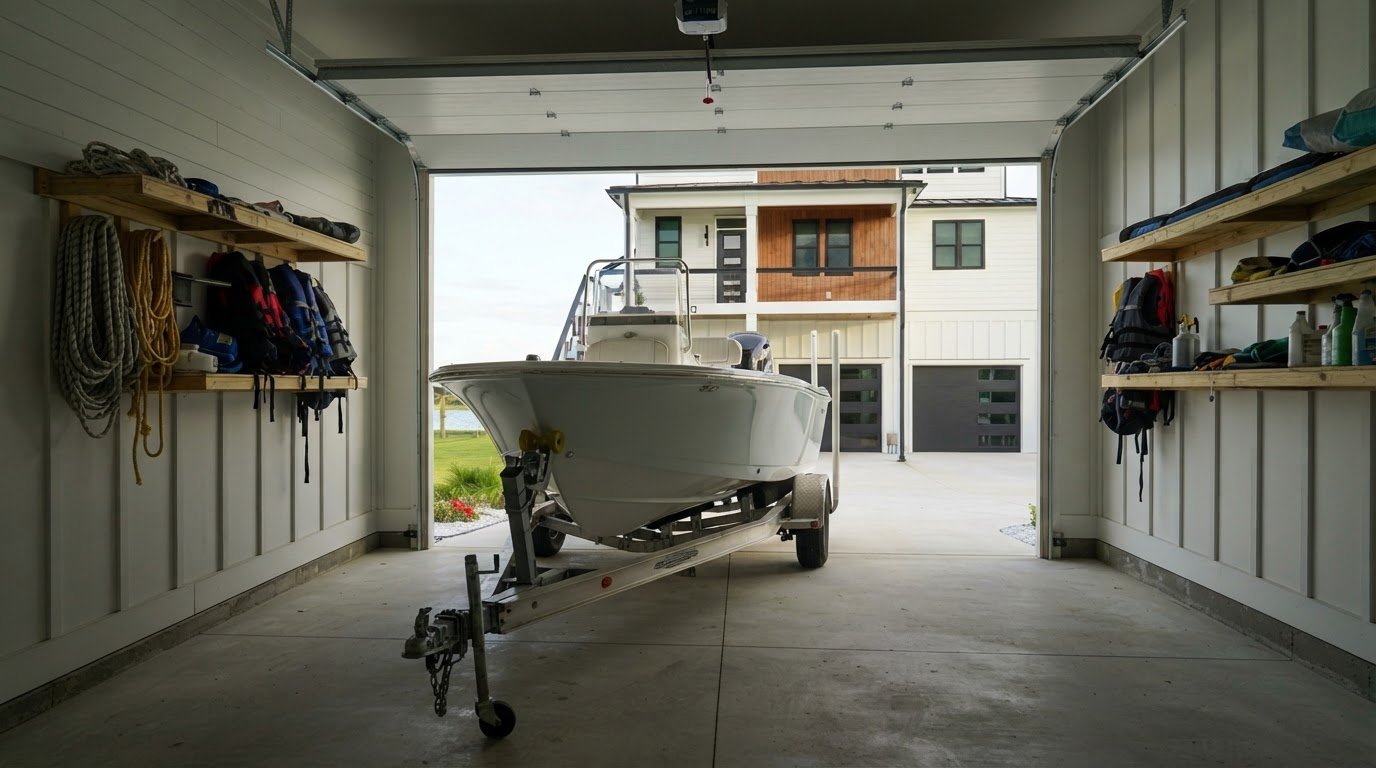
Create a clear routine at the main entrances. Place sand-trapping mats outside and inside each door, and leave a brush outdoors to remove sand from feet. Add hooks near the entry for sandy towels and bathing suits so they can dry before sand spreads through the house. These small steps help reduce grit tracked onto floors.
Coastal upkeep also protects exterior surfaces. Wash windows to remove salt from glass, frames, and screens. Undiluted white vinegar can help dissolve salt on glass before you scrub and wipe it clean. Wash decks, patios, walkways, and siding to remove salt and mildew, and pressure wash the exterior twice per year. Inspect exterior paint annually for cracks, then prime and repaint as needed every few years.
After yard work or exterior washing, check for standing water, peeling paint, and fresh cracks around siding or trim. Those signs can point to areas needing attention before moisture causes further wear. A homeowner can also set a small brush-and-mat station at each frequently used entrance, rather than relying on one central doorway. For a layout that gives sandy gear a defined place, plan a more functional coastal entry.
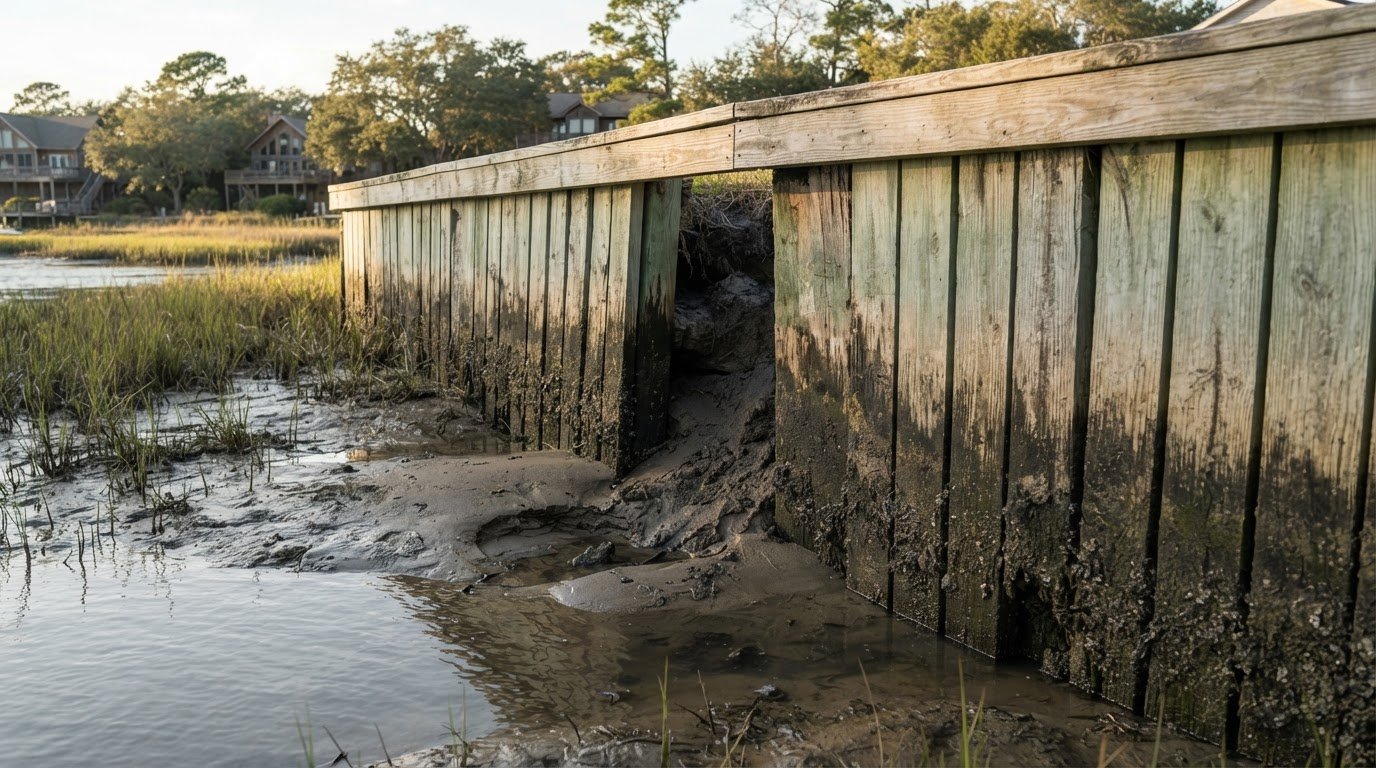
If ongoing upkeep leads you to consider building a coastal home designed around your needs, OTBX Custom Builders, LLC can help. Its New Home Construction service includes custom homes and stick-built homes, with planning and construction shaped around the property and your priorities. For projects that also include waterfront access, the company offers Dock Construction & Repair.
A new build may make sense when you’re weighing the condition and maintenance demands of an existing property against starting with a home planned for coastal living. Discuss your goals, site, and preferred layout to decide the right direction for your project.
Contact OTBX Custom Builders, LLC to discuss your coastal home plans.
A maintenance routine can do more than organize seasonal tasks. Over time, dated notes and photos can help you see whether recurring upkeep reflects normal coastal exposure or a home that no longer fits your needs. Use that record to clarify priorities for your next decision, from daily function to how the property supports life by the water.
If you’re considering a new coastal home, this new coastal home maintenance checklist can turn observations into practical planning priorities. OTBX Custom Builders, LLC provides New Home Construction, including custom homes and stick-built homes, for owners ready to explore a home designed for their needs. Start with a conversation about your goals and the property you have in mind.
Contact OTBX Custom Builders, LLC to discuss your plans. Thoughtful decisions now can give your next step a solid foundation.
Use a monthly walk-through to look for new leaks, corrosion, blocked drains, and changes in equipment performance. Check visible plumbing beneath sinks and near water heaters, and clean or replace HVAC filters as needed. At the end of each season, review the home’s exterior, attic or ceiling, and outdoor areas. This routine helps you track developing issues and decide which maintenance tasks need attention first.
During seasonal walk-throughs, look over exposed metal, siding, and areas prone to moisture, then inspect again after a significant storm. Watch for rust stains, soft or discolored materials, and water marks around ceilings or windows. Check attic or ceiling areas every spring for leaks. Near the shoreline, salt spray can affect exposed surfaces more quickly, so address changes you notice between checks promptly.
Wash salt from exterior surfaces with fresh water, and inspect siding, trim, frames, and exposed hardware for early wear. Look for peeling paint, cracks, warping, or corrosion, especially where moisture collects or surfaces meet. Replace worn seals around openings, and consider marine-grade stainless steel for exposed hardware where practical. Trim plants away from siding so damp leaves don’t remain pressed against it.
Check HVAC filters and clean or replace them as needed. Follow the equipment manufacturer’s schedule for heating service before regular cold-weather use, and arrange professional seasonal service. Keep the outdoor unit clear of plants and debris, and look for corrosion or water around the condensate drain. Persistent standing water or reduced airflow can signal a maintenance issue.
From the ground, look for loose shingles, rust spots, or debris after high winds, and arrange a qualified inspection if you suspect damage. Have the roof checked annually before hurricane season, including skylights and their seals, caulking, and flashing. Keep gutters clear so water drains freely, and check for overflow marks or damp areas below the eaves after rain.
Keep indoor relative humidity below 60 percent and use a dehumidifier in rooms that stay damp, particularly when the home is closed up. Check crawlspaces and under-home areas for excess humidity or pests, and investigate musty odors or recurring condensation. Dry wet materials within 24 hours in coastal homes. Clear vents and move stored items away from damp surfaces so air can circulate.